MOVING TOWARDS NET-ZERO TRANSPORT
Road To Rail Initiative
Currently, more than 90% of domestic cargo transportation is handled via road. This heavy reliance results in higher logistics costs, traffic congestion, and significant carbon emissions. Additionally, there has been a notable increase in road accidents involving heavy vehicles. In response, RAC has taken strategic steps by supporting the “Road to Rail” initiative introduced by the Ministry of Transport Malaysia (MOT) through three main approaches:
Infrastructure Enhancement
Developing six strategic cargo hub terminals located in Pasir Gudang (Johor), Mengkibol (Johor), Pulau Sebang (Melaka), Senawang (Negeri Sembilan), Merapoh (Pahang), and Behrang Station (Perak). These cargo hubs are expected to handle more than 400,000 TEU annually and reduce approximately 700,000 truck trips on the roads.
Public-Private Collaboration
Establishing strategic partnerships with logistics operators and industry players to optimize construction and operational costs for cargo facilities, thereby reducing the Government’s financial burden.
Digital Integration
Ensuring each cargo hub is equipped with modern applications and technologies to improve rail freight scheduling and tracking systems for greater operational efficiency.
The implementation of the “Road to Rail” initiative is not only aimed at providing a more efficient logistics network but also at driving sustainable economic growth and creating a greener, safer transportation ecosystem for the nation.
SOLAR PANEL INSTALLATION AND EV FACILITIES
In alignment with the national Net Zero Carbon Emission agenda by 2050, RAC has advanced initiatives in renewable energy adoption and low-carbon mobility through two main projects:
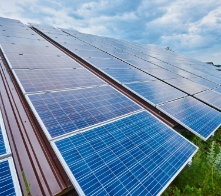
SOLAR PHOTOVOLTAIC
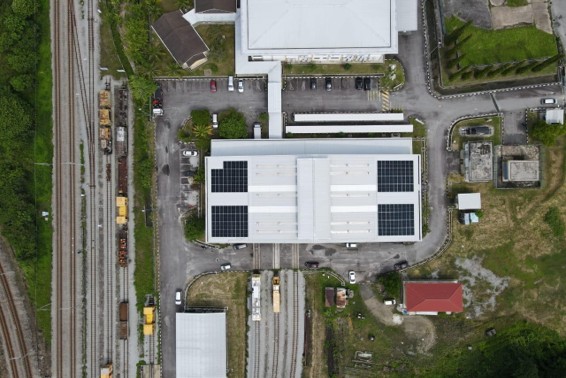
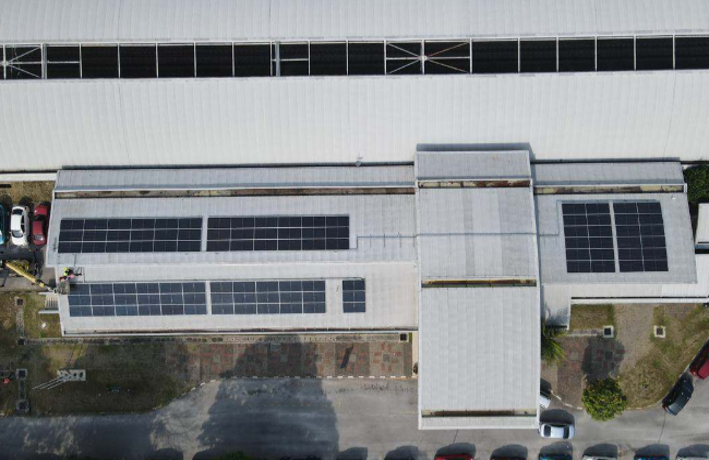
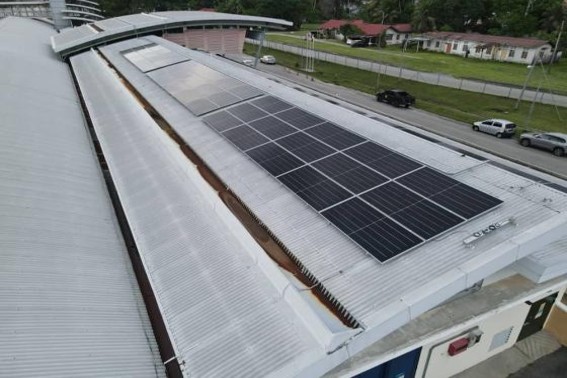
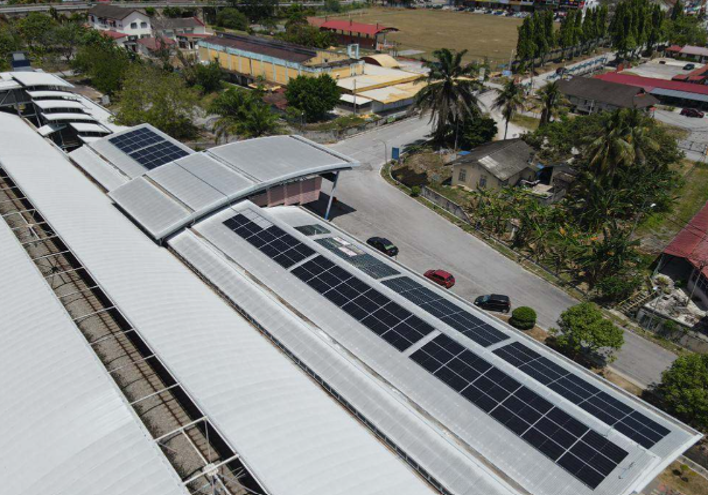
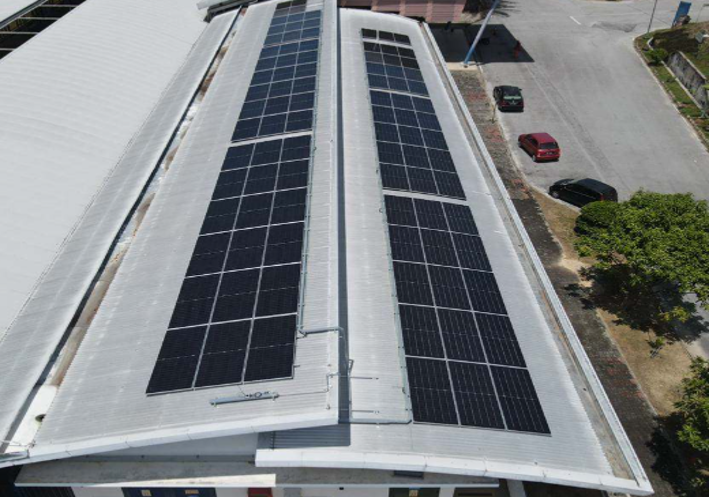
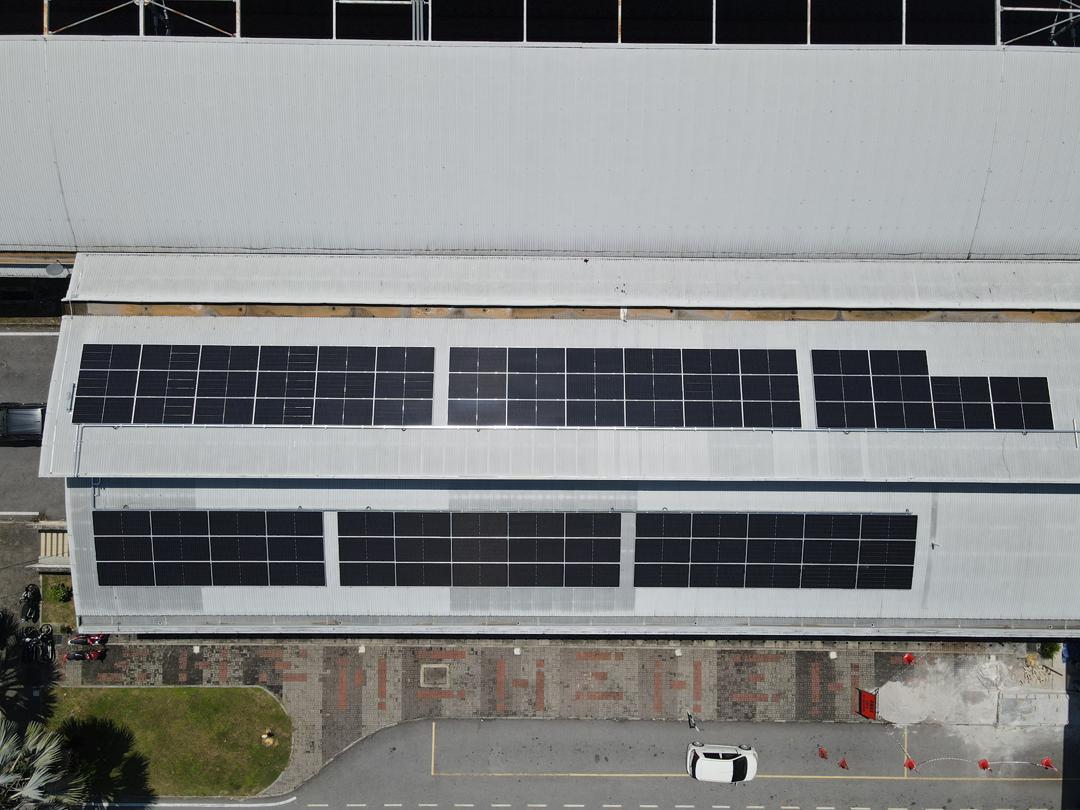
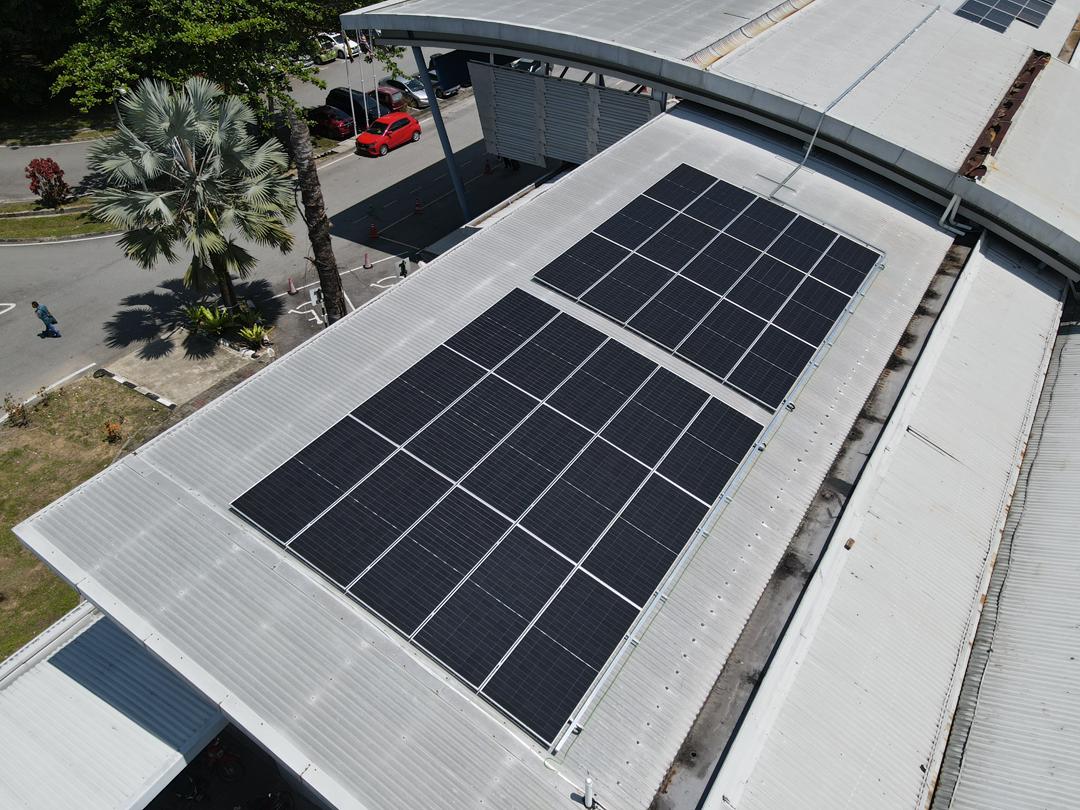
In line with the aspiration to strengthen the nation’s sustainability agenda, RAC has introduced the installation of the Solar Photovoltaic (Solar PV) systems, as one of its key drivers towards energy transformation in railway asset management. This initiative prioritises the use of renewable energy, improved energy efficiency and asset optimisation to support the transition towards a greener, more efficient and sustainable future.
These Solar PV systems have been installed at 12 strategic locations, comprising 9 railway stations and 3 depots. Expected to commence commercial operations in the fourth quarter of 2026, these installations will strengthen RAC’s role in supporting the transition to green energy and the development of more sustainable infrastructure.
The locations involved are:
ELECTRIC VEHICLE (EV) CHARGING FACILITIES
Driven by its commitment to strengthening the Environmental, Social and Governance (ESG) agenda and supporting the nation’s aspiration towards low-carbon development, RAC has taken a proactive step by introducing Electric Vehicle Chargers (EV Chargers) at strategic assets and selected railway stations.
The installation of the first EV Charger at Menara Sentral RAC marks the initial step towards a greener mobility ecosystem across the railway asset network. This implementation not only provides more accessible charging facilities for electric vehicle users but also adds value to RAC’s assets through the provision of modern, sustainable and competitive infrastructure, in line with future mobility needs.
To further expand this initiative, RAC is working towards having EV Chargers at selected railway stations to enhance rail service user convenience. This reflects RAC’s commitment to advancing the adoption of green technology, increasing sustainable transport infrastructure and supporting the development of a more efficient, environmentally friendly and resilient rail system.
These initiatives not only enhance the value of RAC’s existing assets but also strengthen the role of railway stations as Sustainable Transportation Hubs that are environmentally friendly and technologically advanced.