SUSTAINABILITY STATEMENT (ESG)
RAC is committed to integrating the principles of Environmental, Social, and Governance (ESG) into its operations and asset management as part of the effort to strengthen the organization’s long-term sustainability. This approach is aligned with the country’s development aspirations and best practices within the rail transport industry.
For the Social aspect, RAC emphasizes safety, employee well-being, and the impact on local communities.
Under Governance, the organization upholds the principles of integrity, transparency, and accountability in all dealings.

MOVING TOWARDS NET-ZERO TRANSPORT
Road To Rail Initiative
Currently, more than 90% of domestic cargo transportation is handled via road. This heavy reliance results in higher logistics costs, traffic congestion, and significant carbon emissions. Additionally, there has been a notable increase in road accidents involving heavy vehicles. In response, RAC has taken strategic steps by supporting the “Road to Rail” initiative introduced by the Ministry of Transport Malaysia (MOT) through three main approaches:
Infrastructure Enhancement
Developing six strategic cargo hub terminals located in Pasir Gudang (Johor), Mengkibol (Johor), Pulau Sebang (Melaka), Senawang (Negeri Sembilan), Merapoh (Pahang), and Behrang Station (Perak). These cargo hubs are expected to handle more than 400,000 TEU annually and reduce approximately 700,000 truck trips on the roads.
Public-Private Collaboration
Establishing strategic partnerships with logistics operators and industry players to optimize construction and operational costs for cargo facilities, thereby reducing the Government’s financial burden.
Digital Integration
Ensuring each cargo hub is equipped with modern applications and technologies to improve rail freight scheduling and tracking systems for greater operational efficiency.
The implementation of the “Road to Rail” initiative is not only aimed at providing a more efficient logistics network but also at driving sustainable economic growth and creating a greener, safer transportation ecosystem for the nation.
SOLAR PANEL INSTALLATION AND EV FACILITIES
In alignment with the national Net Zero Carbon Emission agenda by 2050, RAC has advanced initiatives in renewable energy adoption and low-carbon mobility through two main projects:
SOLAR PHOTOVOLTAIC
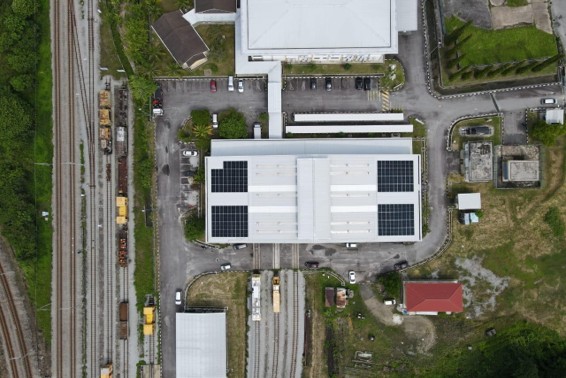
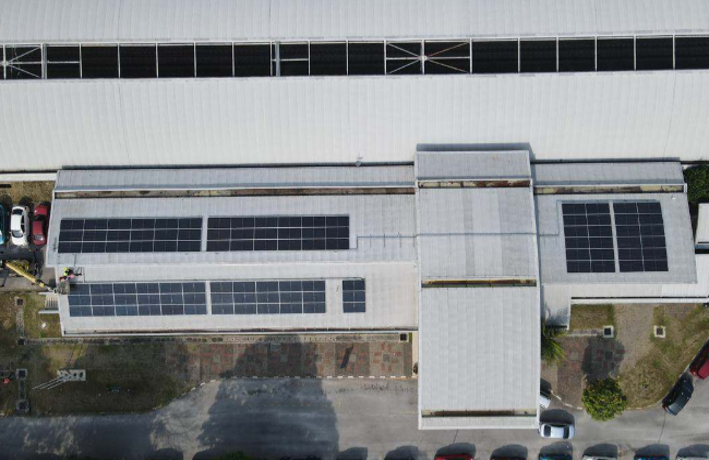
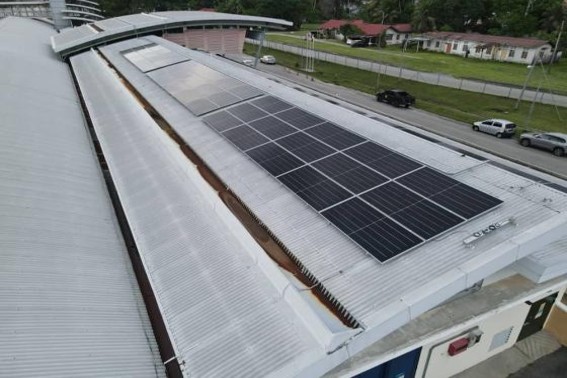
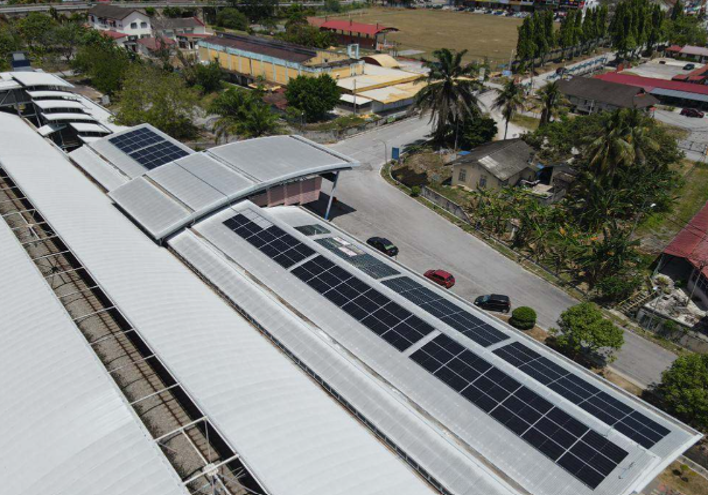
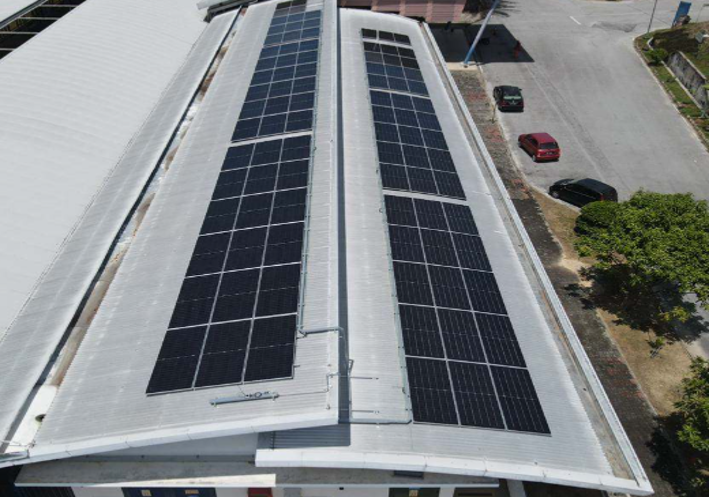
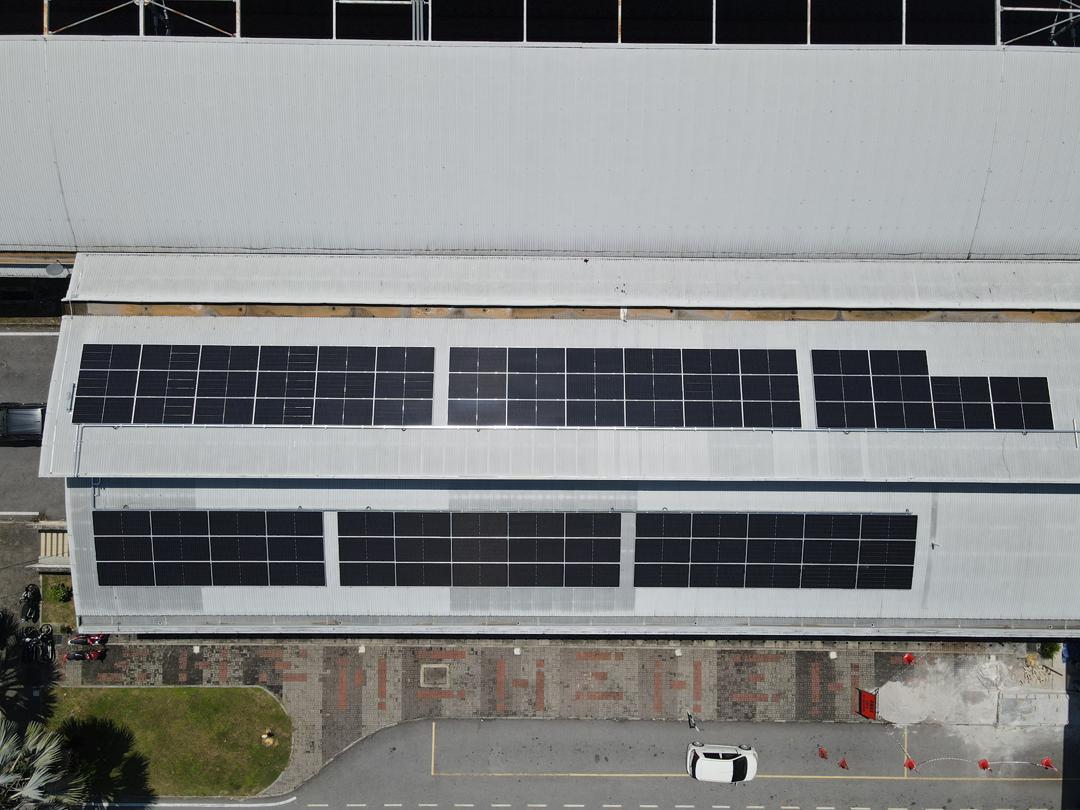
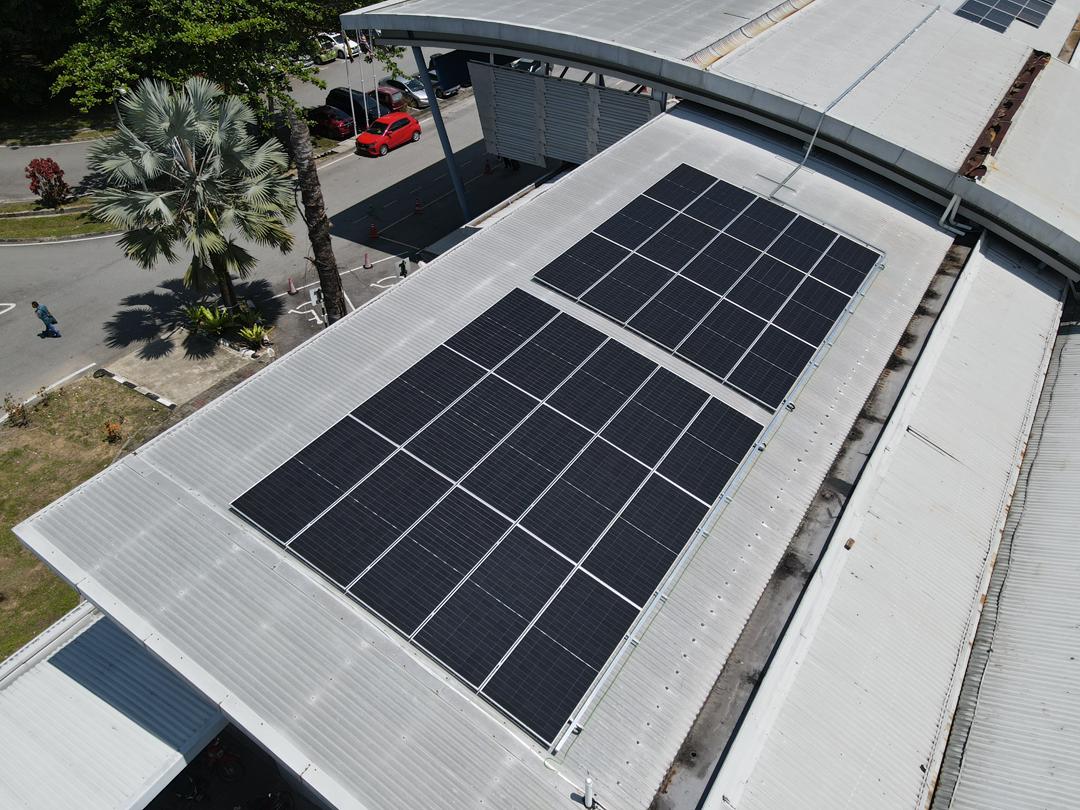
In line with the aspiration to strengthen the nation’s sustainability agenda, RAC has introduced the installation of the Solar Photovoltaic (Solar PV) systems, as one of its key drivers towards energy transformation in railway asset management. This initiative prioritises the use of renewable energy, improved energy efficiency and asset optimisation to support the transition towards a greener, more efficient and sustainable future.
These Solar PV systems have been installed at 12 strategic locations, comprising 9 railway stations and 3 depots. Expected to commence commercial operations in the fourth quarter of 2026, these installations will strengthen RAC’s role in supporting the transition to green energy and the development of more sustainable infrastructure.
The locations involved are:
ELECTRIC VEHICLE (EV) CHARGING FACILITIES
Driven by its commitment to strengthening the Environmental, Social and Governance (ESG) agenda and supporting the nation’s aspiration towards low-carbon development, RAC has taken a proactive step by introducing Electric Vehicle Chargers (EV Chargers) at strategic assets and selected railway stations.
The installation of the first EV Charger at Menara Sentral RAC marks the initial step towards a greener mobility ecosystem across the railway asset network. This implementation not only provides more accessible charging facilities for electric vehicle users but also adds value to RAC’s assets through the provision of modern, sustainable and competitive infrastructure, in line with future mobility needs.
To further expand this initiative, RAC is working towards having EV Chargers at selected railway stations to enhance rail service user convenience. This reflects RAC’s commitment to advancing the adoption of green technology, increasing sustainable transport infrastructure and supporting the development of a more efficient, environmentally friendly and resilient rail system.
These initiatives not only enhance the value of RAC’s existing assets but also strengthen the role of railway stations as Sustainable Transportation Hubs that are environmentally friendly and technologically advanced.

ACCELERATING GROWTH AND FOSTERING SOCIAL VALUE
Construction of Lifts and OKU (Persons With Disabilities) Facilities at Railway Stations
Throughout the year 2025, Railway Assets Corporation (RAC) reinforced its ESG commitment through the completion of 30 strategic projects specifically designed to promote sustainable mobility and community well-being.
The implementation of these projects is structured according to the core ESG impacts as follows:
Enhancing Inclusivity and Accessibility (Social)
Barrier-Free Mobility
Completion of 6 new passenger lift projects at major railway stations to ensure rail facilities are friendly to persons with disabilities (OKU), senior citizens, and parents with strollers.
Educational & Infrastructure
Completion of 1 CSR covered walkway project in Segamat, providing safe and comfortable access for school students and local residents.
Passenger Well-being
Development of 9 DMU platform projects in the East Coast sector to improve rail service quality in rural areas.
Empowerment of Sustainable Transport Ecosystem (Environmental & Social)
Smart Space Management
Development of 1 multi-storey car park project at Rawang Station and 5 parking facility projects in the northern corridor to support the Park & Ride concept. This initiative aims to reduce road congestion and carbon emissions by encouraging the modal shift from private to rail transport, which is greener and more sustainable.
All these initiatives are not merely physical enhancements but represent RAC’s social investments in providing a safe, comfortable, and inclusive transportation ecosystem. By strengthening first-and-last mile connectivity, RAC continues to lead the national rail transformation agenda towards the Net Zero target and the development of resilient communities.
SAFETY AND HEALTH PROGRAM
As part of its commitment to workplace safety and social responsibility, Railway Assets Corporation (RAC) has established an Emergency Response Team (ERT) and conducted intensive training programs in Emergency First Aid, CPR & AED.
This initiative is designed to achieve the following strategic objectives:
Enhanced Organizational Preparedness
Empowering RAC personnel with critical skills to provide prompt and accurate assistance during medical or technical emergencies.
Rapid Response Efficiency
Ensuring effective early intervention while awaiting the arrival of professional agencies such as the Malaysian Fire and Rescue Department (JBPM) and the Ministry of Health (MOH), thereby increasing the chances of saving lives.
Optimal Protection of Assets and Lives
Minimizing injury risk and property damage through systematic and structured emergency response protocols.
Compliance and Governance
Fulfilling legal requirements under the Occupational Safety and Health Act (OSHA) and adhering to ESG principles in creating a safe and resilient workplace environment.
Through such training, RAC not only develops competent personnel in safety aspects but also fosters public confidence in the safety standards of RAC-managed rail facilities, demonstrating comprehensive corporate commitment to human-centered values.
LEADERSHIP DEVELOPMENT PROGRAM
Through its Human Resources Division, RAC has launched a Leadership & Development Program aimed at enhancing leadership competency among department and unit heads for the year 2026. RAC places strong emphasis on leadership development to ensure that the organization’s direction remains rooted in excellence and integrity.
Strategic Leadership Development
Embedding sustainable leadership values to enable top management and supervisors to effectively drive organizational and digital transformation initiatives.
HIGH-PERFORMANCE WORK CULTURE
Through continuous leadership training, RAC aims to develop a cadre of leaders who are competent, ethical, and data-driven in their decision-making, ensuring the best outcomes for stakeholders and the community.
Talent Sustainability
(Succession Planning)Ensuring leadership continuity through structured mentoring and coaching programs, thereby maintaining strong and stable governance in the long term.
ESG TRAINING PROGRAM
To strengthen knowledge and provide comprehensive exposure for all RAC employees on the importance and implementation of Environmental, Social, and Governance (ESG) initiatives, the [Program Name] ESG Training Program was successfully conducted.
The program achieved encouraging results, with 90% of employees participating in the training sessions. The training aims to ensure all employees share a unified understanding and strong commitment in supporting and implementing RAC’s ESG-driven initiatives.

CHAMPIONING ETHICAL EXCELLENCE.
As a manifestation of excellence in Governance, RAC successfully obtained ISO 9001:2015 Quality Management System Certification in 2025 — a significant milestone in ensuring all organizational operations meet international standards.
The importance of this certification within RAC’s ESG framework includes:
Transparent & Consistent Service Delivery
Establishing a robust framework to guarantee efficient, high-integrity services that consistently meet stakeholder expectations.
Strong Internal Control Mechanisms
Strengthening standard operating procedures (SOPs) and internal control mechanisms to minimize operational risks and ensure decision-making accuracy.
Continuous Improvement Culture
Embedding systematic complaint management and strict regulatory compliance as fundamental elements of a professional and responsible work culture.
Organizational Sustainability Catalyst
Acting as a key driver in reinforcing best governance practices (Good Governance), thereby supporting RAC’s strategic objectives in a comprehensive and sustainable manner.
The ISO 9001:2015 certification demonstrates that RAC is not only focused on asset development but is also committed to building an organization that is competitive, transparent, and governed to world-class standards — fully aligned with the core principles of ESG.